

The Nature of Luck in Gambling
Luck is often perceived as a random force that can dramatically influence the outcomes in gambling scenarios. Many players experience sudden shifts between winning and losing, leading to the belief that luck can change in an instant, affecting fortunes significantly. While outcomes at casinos can feel purely coincidental, understanding the essence of luck can help players navigate their gambling experiences with a more informed mindset, especially when they utilize strategies like those found at online casino australia that intertwine with skill and strategy, creating a complex interplay that can dictate gambling success.
For many, luck represents a mystical belief enhanced through personal rituals or superstitions. Others view it through a more analytical lens, seeing it as a matter of statistical probability. Games of chance such as slots and roulette heavily rely on luck, as their outcomes are determined entirely by random processes. However, in games like poker and blackjack, where strategy plays a vital role, the influence of luck is only part of the overall equation. Players can enhance their odds by honing their skills, making the relationship between luck and strategy even more intricate.
While luck can occasionally yield impressive wins, it is essential to remember that it is just one piece of the gambling puzzle. Casinos are structured to maintain a house edge, meaning that, over time, the odds favor the establishment. Thus, while luck may lead to short-term victories, players aiming for long-term success must focus on strategy, proper bankroll management, and a thorough understanding of the games they engage with to counteract the unpredictable nature of chance.
The Role of Skill in Casino Success
Skill is an integral component of casino success, complementing the role of luck in various games. In poker, for instance, a skilled player can employ strategies such as bluffing, calculating pot odds, and reading opponents. These techniques can significantly outweigh the element of chance, allowing knowledgeable players to consistently achieve better results than novices. Mastery of game strategies can lead to a more favorable outcome, underscoring the importance of skill in gambling.
In addition to poker, skill is crucial in games like blackjack. Players who understand optimal strategies, such as card counting, can gain a noticeable advantage over the house. This understanding can influence their betting decisions and ultimately improve their chances of winning. While luck remains a factor—sometimes, the cards simply won’t align—the ability to make informed choices based on skill can drastically change the dynamics of the game.
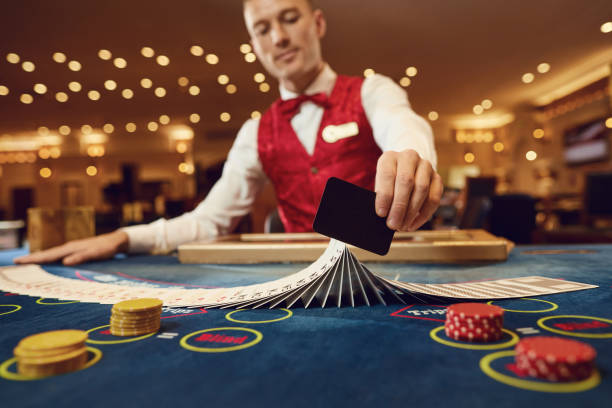
Ultimately, while luck may influence immediate outcomes, skill-based players tend to have an advantage over time. Their capacity to adapt, strategize, and utilize mathematics in decision-making allows them to minimize losses while maximizing gains. Therefore, a blend of luck and skill is imperative for achieving sustained success in casinos, necessitating that players continually refine their skills while acknowledging the unpredictable nature of gambling.
The Psychological Aspect of Gambling and Luck
The psychological dimensions of gambling are intricately linked to players’ perceptions of luck. Many individuals attribute their successes and failures at the casino to luck, which can significantly shape their future gambling behaviors. This mindset can lead to risk-taking tendencies, with players engaging in bets they might typically avoid, driven by the belief that luck can be swayed in their favor. Understanding how the perception of luck affects a player’s psychology is crucial for recognizing gambling patterns.
The illusion of control is another fascinating psychological phenomenon in gambling. Players often convince themselves that they can influence their luck through various behaviors, such as wearing specific clothing or performing rituals before a game. While these beliefs are not based in reality, they can enhance a player’s confidence and overall enjoyment. However, such misconceptions can also lead to poor decision-making, such as chasing losses due to the misguided notion that control over luck is possible. This highlights the complex interplay between psychological factors and the concept of luck.
Moreover, acknowledging the psychological effects of luck can promote responsible gambling practices. Players must recognize that while certain outcomes may seem influenced by luck, the inherent unpredictability of gambling cannot be controlled. By fostering a rational mindset, individuals can enjoy the thrill of gaming while mitigating the negative repercussions that may arise from confusing luck with control. This understanding is essential for maintaining a healthy relationship with gambling activities.
Games with Higher Odds: Where Luck Plays a Role
The casino landscape is filled with various games, each presenting unique odds that demonstrate the significance of luck in gambling. Games like roulette and slots are primarily based on chance, with outcomes dictated by random number generators or the spinning of a wheel. These games can offer players thrilling highs and devastating lows, as substantial wins can quickly evaporate in subsequent rounds. The unpredictable nature of these games exemplifies how luck can create both opportunities and risks for players.

Conversely, games such as blackjack and poker blend luck with skill, creating a dynamic environment where players can influence outcomes through strategic decisions. However, even in these skill-based games, luck plays a pivotal role during crucial moments, such as receiving a strong hand or favorable community cards. These instances highlight how luck can dramatically sway the outcome, emphasizing its importance even when players are employing strategies to guide their gameplay.
Understanding the varying odds of different casino games is essential for players looking to optimize their gambling experiences. Games of chance can provide immediate excitement but come with a higher risk of loss, while skill-based games allow for more measured approaches, requiring patience and strategic thought. By grasping the relationship between luck and odds, players can make informed decisions that enhance their overall enjoyment and effectiveness in the casino environment.
Conclusion: The Balance of Luck and Strategy in Gambling
In conclusion, the relationship between luck and strategy is a fundamental aspect of casino gambling. While luck may lead to unexpected wins and memorable moments, skill and informed decision-making are crucial for achieving long-term success. Players who understand the significance of both elements can navigate their gaming experiences more effectively, adopting a balanced approach that maximizes enjoyment while minimizing risks associated with gambling.
By recognizing the nature of luck, the importance of skill, and the psychological factors involved, players can engage with casino games more thoughtfully. This awareness fosters responsible gambling practices and enriches the overall experience, transforming gaming from a mere chance-based endeavor into a more strategic pursuit. By acknowledging that luck is only one component of the equation, players can empower themselves to make informed choices, ultimately leading to a more rewarding casino experience.
As players venture into the world of gambling, they can harness their understanding of luck, skill, and psychological influences to enhance their strategies and improve their odds of success. Embracing both elements while staying cognizant of their limitations will set the stage for a fulfilling casino journey, ensuring that the thrill of gaming remains a source of enjoyment throughout their experience.
